Some outdoor gear is designed for sunny afternoons and well-groomed trails. MSR gear is designed for the other kind of trip — the one where the weather turns, the map gets soggy, and the nearest road is a long walk away. That distinction matters more than any spec sheet, and it’s the reason the MSR name carries weight with people who spend real time outside.
MSR stands for Mountain Safety Research, and the name is a decent summary of the brand’s priorities. Instead of chasing trends, MSR has built its reputation around equipment that helps people travel safely in places where safety isn’t guaranteed. If you’ve spent time around backpackers, climbers, or paddlers, you’ve probably seen the logo. Here’s a look at what the brand does, who it’s for, and how to shop it without overbuying.
What MSR Is Known For
MSR’s catalog is best understood as a toolkit for backcountry travel rather than a random collection of products. The categories the brand is most associated with are the ones that solve problems you can’t ignore once you’re out there:
Water treatment. Turning questionable water into drinkable water is one of MSR’s best-known areas. For backpackers, international travelers, and households that want a reliable backup plan, this is a foundational piece of kit — safe water isn’t optional in the backcountry.
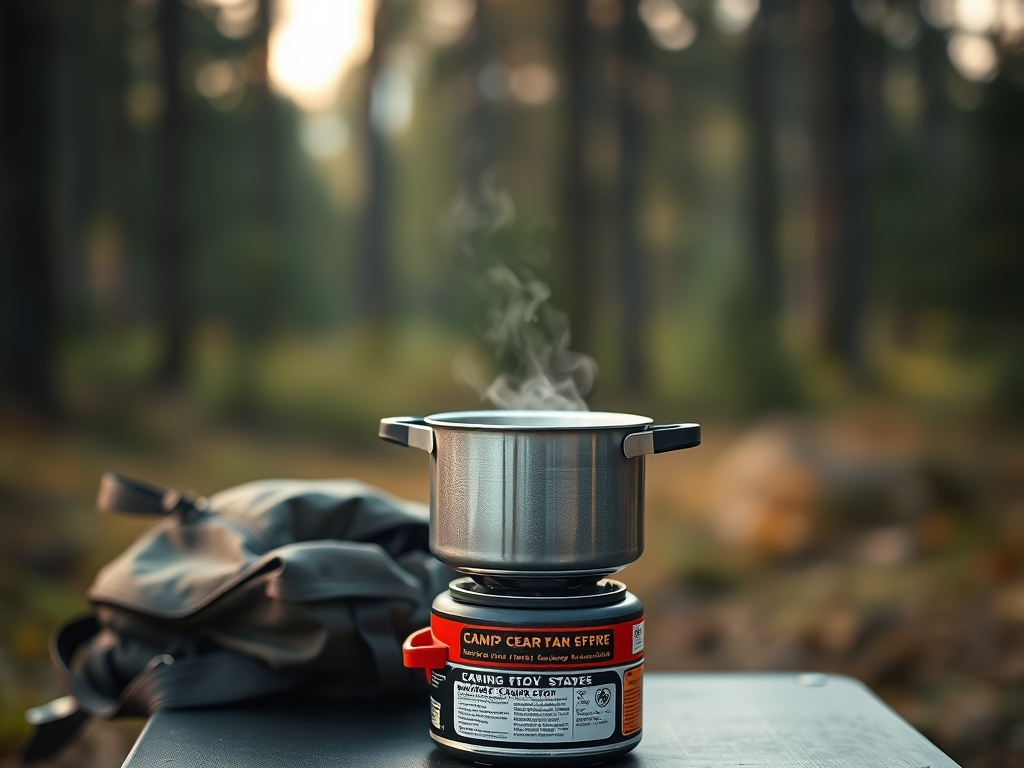
Stoves and cooking. MSR stoves have a long-standing reputation for lighting when you need them to, in conditions where a finicky stove becomes a real problem rather than a minor annoyance. Boiling water for a dehydrated meal or cooking something more ambitious, the priority is dependability.
Shelter. Tents and camp shelters built to handle wind, rain, and snow loads, generally with an eye toward light weight without giving up structural integrity. That balance matters when you’re pitching on exposed ground and the forecast is uncertain.
Winter travel. Snowshoes and related traction gear for people who don’t stop hiking when the snow starts. Flotation, grip, and durability are the whole point here.
Apparel, packs, and accessories. Layers and carry solutions that support the rest of the system. MSR’s apparel side leans functional — pieces meant to be worn while working, not just posing at the trailhead.
Why Design Priorities Matter More Than Marketing
There’s a reason MSR gear tends to get handed down, or replaced with the same model years later. A few things consistently stand out when you compare it with generic outdoor brands:
- Field-tested durability. These aren’t products designed for one season of light use. Backcountry travel punishes gear, and MSR equipment is generally built with that reality in mind.
- Function over fashion. Muted colorways, practical shapes, and details that exist to solve a problem rather than hit a trend.
- System thinking. A stove, a filter, a shelter, and a pack all have to work together when you’re miles from a trailhead. MSR’s range is designed with that kind of integration in mind.
- Service and repairability. Good outdoor companies understand that gear eventually breaks. MSR’s approach generally includes parts and service support rather than forcing a full replacement.
If you’ve ever had a stove fail above treeline or watched a tent pole snap in a gust, you know why this matters. You’re not buying a logo — you’re buying the confidence that your equipment won’t be the thing that ends your trip early.
Who MSR Gear Suits
MSR isn’t the cheapest option on the shelf, and it isn’t trying to be. It’s also not a fashion brand dressing up casual wear with outdoor styling. The audience is fairly specific:
- Backpackers and thru-hikers who count ounces but won’t compromise on reliability.
- Climbers and mountaineers who need gear that works when hands are cold and patience is thin.
- Paddlers and overlanders who want compact, durable equipment for remote trips.
- Car campers upgrading from department-store gear to something that lasts more than a season.
- Preparedness-minded households that want proven water treatment and cooking equipment on hand.
If your version of outdoors is a paved path and a picnic table, MSR may be more tool than you need. But if you plan trips where the weather report is a suggestion and the exit isn’t easy, the brand’s priorities line up with yours.
How to Choose Without Overbuying
The lineup can look technical if you’re new to the category. A few practical pointers:
- Start with the problem you’re solving. Treating water on a backpacking trip, melting snow on a winter climb, and boiling water at a car campsite are three different jobs. Match the tool to the job.
- Weigh light weight against durability. Ultralight gear is great until it isn’t. Decide where you’re willing to carry a few extra ounces for peace of mind.
- Think in systems. A stove needs fuel, a filter needs a cleanable element, a shelter needs a footprint that suits how you camp. Pieces that complement each other save frustration later.
- Check specs against your actual trips. A three-season shelter is not a four-season shelter. A small stove is not a group-cooking setup. Honest self-assessment beats marketing copy every time.
- Buy in stages if you need to. One item this season, another next season, is a reasonable way to upgrade without dropping a full paycheck at once.
Why It’s Worth a Look
There’s no shortage of outdoor brands, and plenty of them make perfectly fine gear. MSR stands out because it has stayed close to its original purpose: making equipment that helps people travel safely in places where safety isn’t guaranteed.
That focus shows up in small ways — the feel of a valve, how a shelter holds in wind, the way a pack carries when it’s loaded for a week. It also shows up in a willingness to keep refining products rather than chasing whatever is trending on social media.
For anyone assembling an outdoor kit meant to last more than one season, MSR belongs on the shortlist. You don’t have to be an alpinist to benefit from gear designed for alpinists. You just have to value your time outside enough to want equipment that won’t let you down.
Ready to Gear Up?
If that sounds like the kind of equipment you want in your closet, take the next step. Visit MSR’s official site to explore the current lineup of outdoor apparel, technical gear, and equipment, compare options against the trips you actually take, and start building a kit you can rely on. Your future self — the one shivering at a windy campsite — will thank you.
Leave a Reply