Most outdoor gear has a short memory. A jacket that looks trail-ready in the shop starts soaking through by the second season. A backpack strap frays somewhere between the airport and the trailhead. Trousers fade, zips seize, and before long you’re shopping for a replacement for the thing you bought to replace the last one. It’s an expensive, wasteful loop — and it’s the exact loop that a Swedish company called Fjällräven has spent more than sixty years trying to break.
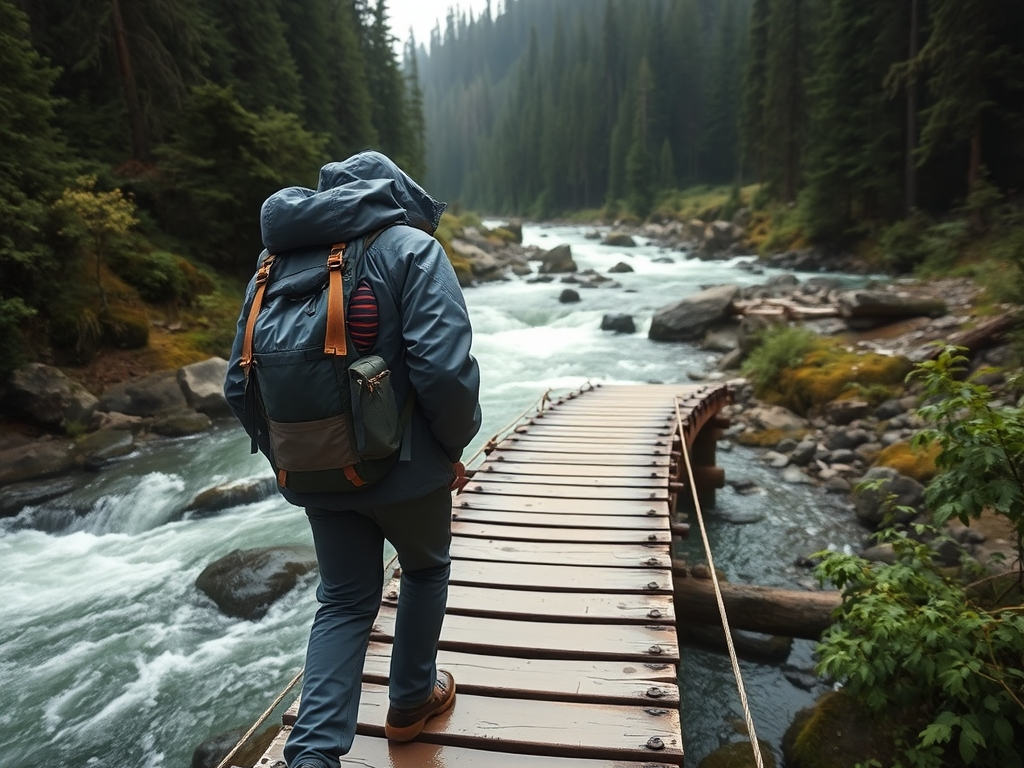
Fjällräven (the name means “Arctic fox”) builds outdoor clothing, backpacks, and equipment around a fairly old-fashioned idea: make it functional, make it durable, and let people repair it instead of replacing it. The result is a range that works just as well on a mountain traverse as it does on a Tuesday morning commute.
The Fabric That Started a Following: G-1000
Ask long-time Fjällräven wearers what keeps them loyal and most will mention the same thing: G-1000. It’s a densely woven blend of polyester and cotton that the brand has used in jackets, trousers, and bags for decades, and it behaves very differently from the lightweight, disposable fabrics that dominate a lot of modern outdoor wear.
G-1000 is tough. It resists abrasion from rock, brush, and pack straps, holds its shape, and softens with use rather than falling apart. But the truly unusual part is that it’s meant to be adjusted by the person wearing it. With Greenland Wax — a simple blend of paraffin and beeswax that you rub on and melt in — you can push the fabric toward wind resistance and water repellency when conditions call for it. Wash the wax out and the fabric breathes more freely for warm, dry days. Want a middle ground? Add a lighter layer of wax.
That single feature changes how you shop. Instead of owning a jacket for each weather scenario, you own one jacket and tune it. Fewer things, used harder, for longer — which is precisely the point.
Mending matters too. Fjällräven gear is designed so that a torn seam, a worn patch, or a tired zipper can be dealt with rather than shrugged off as the end of a product’s life. Care instructions and repair options are part of the offering, not an afterthought.
The Kånken: A Backpack That Refuses to Go Out of Style
Then there’s the Kånken, easily the most recognisable thing Fjällräven makes. It was created back in 1978 as a practical answer to a practical problem: schoolchildren were hauling heavy books in bags that were unkind to their backs. The solution was a simple, square backpack with a wide main compartment, a couple of side pockets, a front zip pocket, and a handle on top.
It never really went away. Today the Kånken shows up on campuses, on festival fields, in city parks, and on short hikes. Adults carry it as a daypack, a work bag, or a carry-on. It’s light, it sits well on the shoulders, and it swallows far more than its compact shape suggests. It also comes in a wide spread of colours, so it slides into whatever your personal style happens to be.
The Kånken is a useful illustration of the brand’s whole philosophy. It isn’t overloaded with features. It isn’t chasing a trend. It just does a handful of things properly, and it keeps doing them for years.
Sustainability, in Practice Rather Than in Slogans
Plenty of brands talk about the environment. Fjällräven’s approach is more structural, and it comes down to a few concrete habits.
Durability is the strategy. The greenest jacket is the one you don’t have to buy again next year. Long-lasting materials, timeless cuts, and repairability all reduce the number of products that need to be manufactured, shipped, and eventually thrown away.
Materials get scrutinised. The brand works recycled content into many products and traces the down used in its insulated pieces to confirm responsible sourcing, while continuing to look for ways to lower its footprint across the supply chain.
Nature gets supported. Fjällräven backs conservation work and encourages people to actually get outside — the reasonable bet being that people protect places they’ve spent time in.
You can extend a product’s life yourself. A block of wax, a brush, and twenty minutes of care can add years to a jacket or a pair of trekking trousers. It’s the rare kind of maintenance that pays for itself twice: once in money saved, once in waste avoided.
Who This Gear Is Actually For
You don’t need to be an expedition mountaineer to get value out of Fjällräven. The range covers jackets, trousers, shirts, knits, backpacks, tents, sleeping bags, and accessories, and it splits fairly naturally across a few kinds of people.
If you’re a serious outdoor enthusiast, there’s technical gear here that stands up to real conditions and real distances. If you’re an everyday adventurer — the walk-to-work, weekend-rambler, city-break type — there are clean-looking pieces that move comfortably between trail and pavement without looking like costume. And if your main concern is buying less and buying better, this is a brand whose entire pitch rests on products that stay in service.
The common thread is function. Nothing here exists purely to look the part.
Where to Start
If you’re rebuilding a kit that’s let you down, you don’t need to overhaul everything at once. Pick one piece and see how it holds up.
Start with a Kånken backpack if you want an everyday carrier that will outlast a few trend cycles. Go for a G-1000 jacket or a pair of trekking trousers if you want something you can wax, wash, patch, and keep wearing. Add a block of Greenland Wax and learn the routine — it takes minutes and it’s the single biggest factor in how long your gear lasts.
Browse the full Fjällräven collection, find the pieces that match how you actually spend your time outdoors, and buy once rather than repeatedly. Then get outside and put them to work.
Leave a Reply