Halfway up a switchback, the pack that felt fine in the store starts to dig in. The shoulder straps bite, the load shifts, and suddenly the view matters less than the next rest stop. Almost every hiker, backpacker, or traveler has lived through a version of that. The fix is rarely more grit. It’s better gear, chosen with a clear idea of how you’ll actually use it.
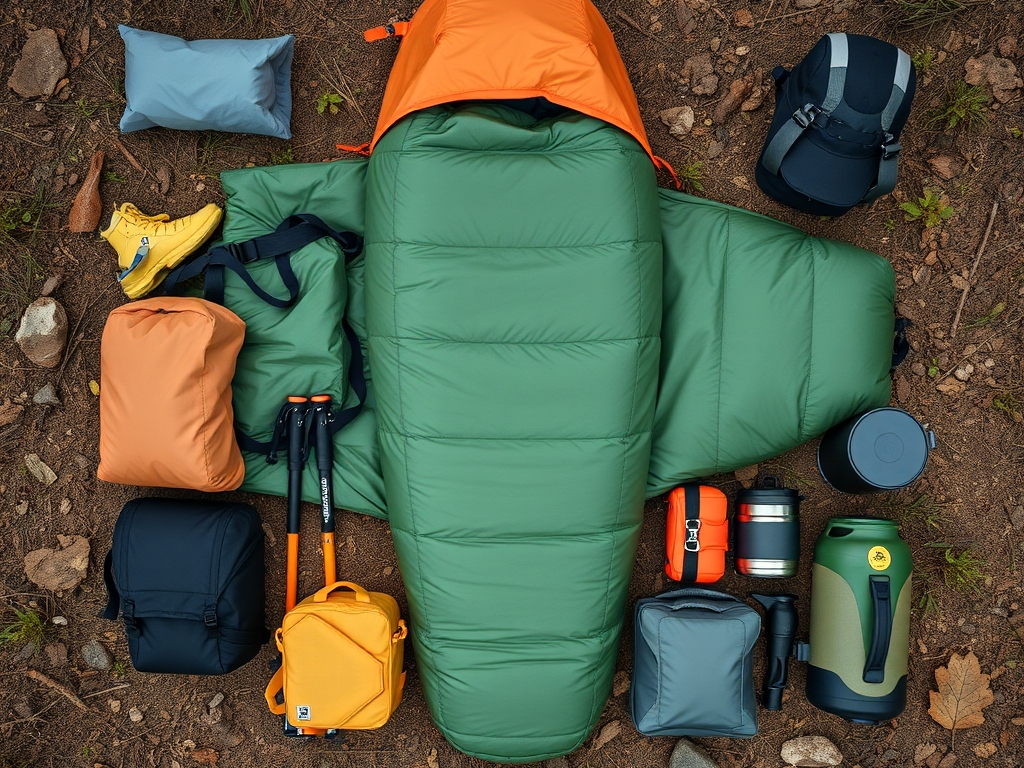
Gregory Mountain Products has spent decades focused on exactly that problem. The brand is known for premium backpacks built for hiking, backpacking, and travel, along with outdoor apparel, technical gear, and equipment that round out a full kit. If you’re shopping for gear that carries well and lasts, here’s what makes Gregory worth a closer look.
Why the Right Pack Matters More Than You Think
A backpack is the one piece of gear you wear all day. It decides how far you can go before fatigue sets in, how balanced you feel on rough ground, and whether a long trip leaves you energized or wrecked. Good design shows up in small ways you notice only when they’re missing: a hip belt that actually transfers weight, a harness that follows your movement instead of fighting it, and materials that hold up season after season.
Gregory’s approach centers on comfort under load. That means thinking about how weight sits on your hips rather than your shoulders, how a pack carries when it’s fully packed, and how it feels on hour six rather than minute six. For anyone who has carried a badly fitted pack, that focus is the difference between a hobby you love and one you quietly stop doing.
A Pack for Every Kind of Adventure
Gregory’s range spans the ways people actually get outside.
Day hikes. Smaller, streamlined packs for essentials: water, layers, snacks, a first-aid kit. Light enough to forget you’re wearing one.
Backpacking. Larger packs built for multi-day trips, designed to keep heavier loads stable and organized over long miles and changing terrain.
Travel. Purpose-built travel packs made for moving between buses, trains, hostels, and airports, where access to your gear matters as much as how it carries.
What connects these categories is a consistent standard of construction. Gregory uses durable materials and considered detailing so packs can handle trail abuse and repeated trips, not just one good season. The brand also offers a range of sizes and fits, because torso length and body shape vary far more than most gear brands admit.
Gregory sells internationally too, with dedicated regional sites across Europe and Asia alongside its US store. That matters if you’re traveling abroad, moving countries, or simply want local sizing and shipping.
More Than Backpacks: Apparel and Technical Gear
Backpacks get the attention, but Gregory also makes outdoor apparel and technical gear, which means you can build a coordinated kit rather than piecing together mismatched brands. Layers that work under a hip belt, shells that fit over them without bunching, and accessories that complement the pack you already own.
For shoppers, this is useful in a practical way. When your clothing and your carry system are designed with the same use case in mind, you spend less time adjusting and more time moving. It also simplifies packing: fewer compromises, fewer items that only work in one narrow condition.
Fit, Durability, and Real-World Feedback
Gregory’s reputation rests on two things: fit and longevity. The brand has a long history of refining designs based on input from the people using them on trails and in transit, which is why its packs are associated with all-day comfort rather than flashy specs.
Durability matters just as much. Outdoor gear takes a beating from rocks, weather, and rough handling. Packs that survive that treatment cost less over time than cheap ones replaced every year or two. Gregory also offers options across a broad price range, so there’s a reasonable entry point whether you’re a weekend day hiker or planning something much bigger.
How to Choose Your Gregory
Start with the trip, not the product page. Ask yourself three questions:
- How long are you out? A few hours, a few days, or a few weeks.
- What are you carrying? Minimal essentials, camping and cooking gear, or a full travel wardrobe.
- How will you move? On foot over uneven terrain, or through airports and city streets.
Your answers point you toward a category, and from there it’s about size and fit. Measure your torso, check the sizing guidance, and read the product descriptions carefully. If you’re between sizes or unsure, customer support can help you sort it out before you buy.
Carry Better on Your Next Trip
You don’t need to overhaul your whole setup. Start with the pack, because it’s the piece that touches every hour of your day outside. Browse the full collection of backpacks, apparel, and technical gear at gregorypacks.com, compare the categories against how you actually travel and hike, and pick the fit that matches your body and your plans. Your shoulders will notice the difference on the very first mile.
Leave a Reply