Cold creeps up through the floor of your tent. A root presses into your hip. You roll left, then right, and by sunrise you have logged more restless turns than actual sleep. Anyone who has camped knows the feeling — and anyone who has camped well knows it does not have to be that way.
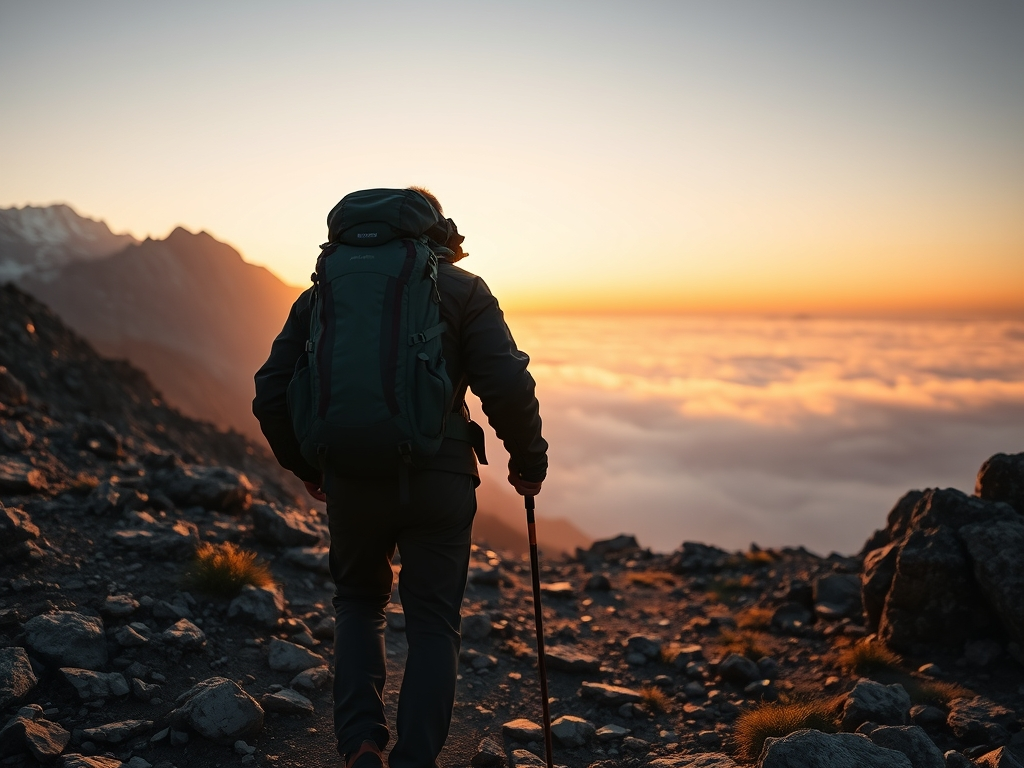
Therm-a-Rest has built its reputation around one stubborn problem: how to make sleeping outside genuinely restful. The brand, part of the Cascade Designs family alongside MSR, Platypus, PackTowl, and SealLine, makes sleeping pads, sleeping bags, and the outdoor comfort gear that holds a night under the stars together. If bad sleep is quietly ruining your trips, that is exactly where the fix begins.
Why Sleep Is Gear, Not an Afterthought
Most people plan their outdoor trips around distance, elevation, weather, and food. Sleep gets whatever is left over — usually a thin foam mat pulled from the garage. Then they wonder why day two feels so much harder than day one.
Rest is not a reward for a good trip. It is part of what makes a good trip possible. A poor night outside shows up in your mood, your balance on rocky terrain, your appetite, and your patience with the people you came with. It also shapes how much you actually enjoy where you are. You can hike into a stunning alpine basin and barely notice it if you are running on three hours of broken sleep.
Therm-a-Rest approaches outdoor sleep the way other brands approach footwear or navigation: as a piece of equipment worth engineering properly. Warmth, support, packability, and durability are treated as design problems, not afterthoughts. That mindset is why the brand is a familiar name on the gear lists of backpackers, paddlers, climbers, and car campers alike.
Finding the Sleeping Pad That Fits Your Trip
Not every outing asks the same thing of your gear, and Therm-a-Rest splits its sleeping pads into categories so you can match the pad to the plan rather than guessing.
Fast & Light pads are built for people who count every ounce — thru-hikers, alpine climbers, and anyone covering serious distance. Weight and packed size come first, with comfort still very much in the picture.
Backpacking Comfort pads sit in the middle ground that suits most weekend and multi-day trips. They balance weight, cushioning, and durability so you are not trading one for the other.
Camp & Comfort pads lean toward maximum thickness, warmth, and support. They are the choice for car camping, base camps, and anyone who wants a night outside that feels closer to home.
Within those categories, the brand organizes pads into recognizable collections. NeoAir is known for lightweight, packable design. NeoLoft takes a different approach to comfort. Self-Inflating pads combine foam and air for convenience and reliability, while Closed-Cell Foam pads offer the simplest, most bombproof kind of support. There is also a range of sleeping pad accessories — from repair kits to pump sacks — for fine-tuning your setup.
Sleeping Bags and the Wider Kit
A great pad solves half the problem. Therm-a-Rest also makes sleeping bags built to work alongside their pads, covering everything from warm-weather trips to colder shoulder-season nights. Because insulation and comfort are the brand’s core expertise, the same thinking runs through the entire sleep system rather than stopping at the ground.
There is a practical benefit to buying into the Cascade Designs family, too. MSR covers stoves, water filters, and tents. Platypus handles hydration. PackTowl makes quick-dry towels, and SealLine builds dry bags. These are brands that end up in the same packs for the same reasons: they are made for people who actually go outside. If you are not sure where to begin, the site’s Ultimate Guide to Therm-a-Rest Sleeping Pads walks through pad types and warmth considerations in plain language.
Simple Habits That Improve Any Night Outside
Good gear works better with good habits. A few small ones go a long way:
-
Test your setup at home first. Inflate the pad and try the bag in your living room before you leave. You will learn how it feels and catch anything you forgot to pack.
-
Insulate yourself from the ground. The earth pulls heat out of your body all night. A pad with real insulation matters even in summer.
-
Sleep in dry layers. Avoid bedding down in the clothes you sweated through during the day. Damp fabric keeps you cold.
-
Ventilate the tent. A little airflow cuts condensation and keeps your bag drier.
-
Pick and clear your spot. Look for level ground, then move rocks, cones, and twigs before you lay anything down.
None of these require special skill, and all of them pair naturally with gear designed to be warm, supportive, and dependable.
Start Sleeping Better on Your Next Trip
You do not have to choose between adventure and a decent night’s sleep. Whether you are planning a quick weekend escape or a long-distance trek, the right sleep system changes how the whole trip feels — you wake up clearer, warmer, and genuinely ready to move.
Head to thermarest.com to browse the full range of sleeping pads, sleeping bags, and outdoor comfort gear, and use the buying guides if you want help narrowing it down. Orders over $50 currently qualify for free FedEx Ground shipping, so your next night out could be a much better one.
Leave a Reply