Most ruined days outside don’t start with bad weather. They start with gear that quits early — a shell that wets out in a drizzle, a layer that turns clammy the second you start climbing, a pack strap that digs in before the first mile is done. The forecast was fine. The equipment wasn’t.
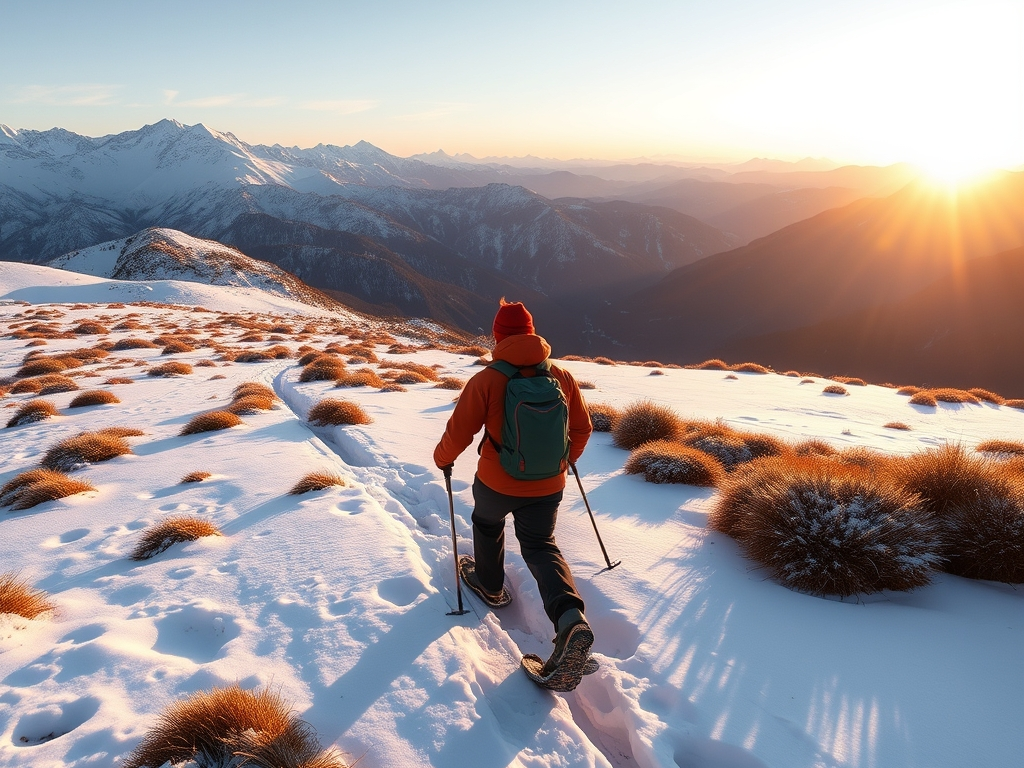
That’s why it pays to think about outdoor apparel, technical gear, and equipment as one connected system instead of a shopping list. Every piece has a job, and the pieces have to cooperate. Prana works in exactly this space — outdoor apparel, technical gear, and equipment — so if you’re building or rebuilding a kit for hiking, climbing, camping, or simply spending more of your week outdoors, it’s worth knowing what separates gear that lasts from gear that disappoints.
What Outdoor Apparel Has to Do
Walk through any outdoor shop and you’ll pass hundreds of jackets, shirts, and pants that look nearly identical on the rack. The differences only show up when you’re wearing them on a windy ridge or halfway up a route.
Layering is the foundation. A base layer moves moisture away from your skin, a midlayer holds warmth, and an outer shell blocks wind and rain. Pieces designed to sit over one another let you handle a wide range of conditions with a surprisingly small wardrobe. Pieces that only work on their own leave you either sweating or shivering.
Fabric tells you more than the logo. Stretchy woven fabrics follow you through a scramble. Wool and synthetic blends resist odor over multiple days. Reinforced weaves survive brush, rock, and repeated abrasion. Read the fabric description before you read the marketing copy — it’s the honest part of the label.
Fit should follow movement, not the mirror. Reach overhead. Squat. Twist. If a jacket rides up or pants bind at the hip in the fitting room, it will only get worse on a trail. Good outdoor apparel is cut for motion.
Durability is the actual value. A well-made shell or pair of climbing pants can outlast several cheap replacements. Look at stitching, zipper quality, and reinforced knees, cuffs, and shoulders. That’s where the money goes, and that’s where it shows.
Technical Gear and Equipment: Fewer, Better Pieces
Apparel gets the attention, but technical gear and equipment are what turn a walk into a real outing. A few things consistently separate equipment that lasts from equipment that ends up in a donation bin:
- Purpose-built design beats do-everything claims. A daypack, a harness, or a belay device should do one job well. Tools that promise everything usually do several things badly.
- Hardware is the failure point. Buckles, webbing, attachment points, and zippers take the load. Inspect them before anything else.
- Weight should match how you’ll actually use it. Ultralight construction matters on long approaches. On a car-camping weekend, comfort and capacity usually matter more.
- Repairability keeps gear alive. Simple construction with replaceable parts stays in service far longer than a complex design nobody can fix.
If you’re starting from nothing, build in order of exposure: weather protection first, then footwear, then the pack, then the extras. Specialty items can wait until your trips actually demand them.
Where Prana Fits
Prana operates in the outdoor apparel, technical gear, and equipment categories — the exact territory described above. The name itself comes from the Sanskrit word for breath or life force, which is a useful way to think about gear: it should give you energy rather than drain it.
When you’re weighing any brand in this space, including Prana, a few practical questions do most of the work:
- Does the range cover what you actually do? Match a brand’s strengths to your real activities, not to a someday expedition.
- Can you assemble a full layering system? Brands that make base layers, midlayers, and shells give you pieces designed to work together rather than merely coexist in a closet.
- Is sizing consistent across the line? Consistency means you can order with confidence instead of guessing every time.
- How does the brand treat materials and longevity? Durable construction is the most sustainable option available, because you buy less often.
For people who want clothing that moves from a trailhead to a coffee shop without looking like a walking billboard, that combination of function and everyday wearability is worth paying attention to. The goal isn’t owning the most gear. It’s owning the right gear.
How to Shop Without Overbuying
New equipment is fun to buy, which is exactly how closets fill up with things nobody uses. A simple set of habits prevents it.
Buy for your ninety percent. If nearly all your time outside is day hikes, buy for day hikes. Don’t build a mountaineering kit for a trip that may never happen.
Replace the weakest link first. Identify the one piece currently letting you down — the jacket that soaks through, the pants that restrict your stride, the pack that hurts by mile five — and fix that before adding anything new.
Test close to home. Wear new layers and carry a loaded pack around the neighborhood or on a short local trail before you commit to a multi-day outing.
Keep it small. A handful of well-chosen pieces outperforms a crowded closet, and you’ll spend less time deciding what to bring and more time actually moving.
A Few Habits That Make Gear Last
Care is the cheapest upgrade available. Follow the washing instructions on the label, use the right detergent for technical fabrics, and avoid fabric softener, which coats fibers and kills breathability. Air-dry when you can. Repair small tears and replace worn laces or buckles before they turn into bigger problems. Store gear clean and dry. Done consistently, these habits add years to apparel and equipment alike — and years of use is the only sustainability metric that really counts.
Your Next Step
You don’t need to replace everything at once, and nobody expects you to. Pick the single piece of outdoor apparel or technical equipment that’s failing you right now, and start there. If you want gear built for real trails, real rock, and real weather rather than the showroom floor, take a look at what Prana offers in outdoor apparel, technical gear, and equipment, and see how it lines up with the way you actually spend your time outside.
Leave a Reply